
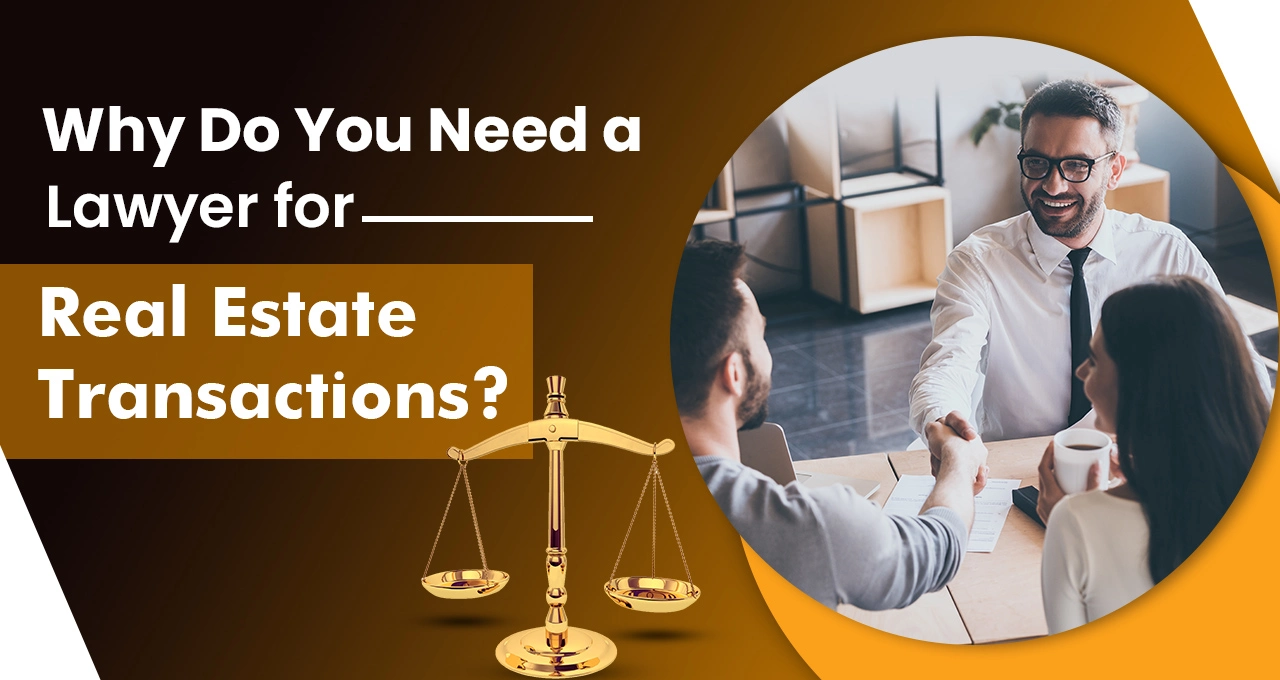
Buying or selling real estate is one of the most significant financial decisions a person or business can make. Many people think it is just about finding the right property and signing a contract. However, real estate transactions are often more complex than they appear. There are many legal requirements, financial risks, and potential pitfalls. This is where legal services play a vital role. Lawyers and legal experts help protect your interests, avoid costly mistakes, and ensure that the process follows the law. Understanding their role can save you time, money, and stress.
Why Legal Services Matter In Real Estate
Real estate transactions involve large sums of money and long-term commitments. Even a small error or missing document can lead to serious problems, such as losing your investment or facing lawsuits. Legal services provide:
- Contract review: Ensuring all terms are fair and legal
- Due diligence: Checking property titles and background
- Negotiation support: Getting better terms and protecting your rights
- Compliance: Meeting local and national regulations
Without proper legal support, you might not notice hidden issues. For example, a property might have unpaid taxes, unclear ownership, or zoning restrictions. Lawyers help you spot these problems early.
Stages Of A Real Estate Transaction And Legal Involvement
Real estate deals typically follow several steps, and legal services are important at each stage. Here’s how lawyers guide you through the process:
1. Pre-contract Phase
Before you sign anything, your lawyer helps with:
- Investigating property ownership
- Reviewing offers and counter-offers
- Advising on legal obligations
For example, if you are buying a house, a lawyer will check if the seller really owns the property and if there are any claims or disputes.
2. Drafting And Reviewing Contracts
The contract is the heart of any real estate deal. Lawyers:
- Draft clear and detailed agreements
- Explain each clause in simple language
- Ensure the contract protects your rights
A well-written contract can prevent misunderstandings and future conflicts. It covers issues like payment terms, move-in dates, repairs, and what happens if someone breaks the agreement.
3. Due Diligence And Title Search
Due diligence means checking all facts before you commit. Legal services include:
- Title searches to confirm who owns the property
- Checking for liens, unpaid taxes, or mortgages
- Verifying zoning and land use rules
If a lawyer discovers the property has a legal problem, you can decide not to buy, or negotiate a better price.
4. Closing The Transaction
The closing is when the property officially changes hands. Lawyers:
- Ensure all documents are correct and complete
- Transfer funds safely
- Register the new ownership with authorities
Legal mistakes during closing can delay the process or even stop it. For example, missing signatures or incorrect payments can cause major problems.
5. Post-closing Support
Even after the sale, legal help may be needed. This includes:
- Resolving disputes that appear later
- Handling tax issues
- Reviewing lease agreements for rental properties
Lawyers can also help with property management contracts if you plan to rent out your investment.

Credit: hiltonheadislandlaw.com
Key Legal Documents In Real Estate Deals
Several important documents are involved in real estate transactions. Here are some of the most common:
| Document | Purpose | Legal Risk if Missing |
|---|---|---|
| Purchase Agreement | Outlines terms of sale | Unclear obligations, disputes |
| Title Deed | Proof of ownership | No legal claim to property |
| Disclosure Statement | Reveals known issues | Hidden defects, lawsuits |
| Mortgage Agreement | Loan terms for buyers | Foreclosure, financial loss |
| Closing Statement | Details final costs | Overpayment, financial errors |
A lawyer’s job is to check these documents for accuracy and completeness.
Common Legal Challenges In Real Estate
Even with careful planning, real estate transactions can face legal challenges. Here are a few examples:
- Title defects: Unexpected claims or mistakes in ownership records
- Boundary disputes: Disagreements about property lines
- Hidden liabilities: Unpaid taxes, utility bills, or association fees
- Zoning violations: Using the property in a way that is not allowed by local rules
- Contract breaches: One party not fulfilling their promises
Legal services help you handle these issues before they become bigger problems. For instance, a lawyer can negotiate with the other party or go to court if necessary.

Credit: bannonlawgroup.com
Comparing Private Lawyers, Notaries, And Title Companies
Different professionals offer legal help in real estate. Each has strengths and weaknesses:
| Service Provider | Main Role | Typical Cost | Best For |
|---|---|---|---|
| Private Lawyer | Full legal advice and representation | High | Complex deals, disputes |
| Notary | Authenticate documents, witness signatures | Low | Simple transfers, local deals |
| Title Company | Title search, insurance | Medium | Standard purchases, risk management |
Choosing the right service depends on your needs. For example, if you are buying a home with a mortgage, a title company can give you extra protection with title insurance.
The Role Of Legal Services For Buyers
For buyers, legal services give peace of mind and protect your investment. Lawyers:
- Make sure you get a clean title
- Negotiate repairs or price reductions for property issues
- Review mortgage terms for hidden fees or unfair conditions
- Explain your rights and duties in simple terms
One non-obvious insight: Some buyers skip legal review to save money, but small mistakes can cost much more in the long run. For example, missing an easement (the right of others to use your land) might limit how you can use your property.
The Role Of Legal Services For Sellers
Sellers also need legal support. Lawyers help by:
- Drafting clear disclosure statements to avoid lawsuits
- Handling negotiations with buyers’ lawyers
- Ensuring all debts and taxes are paid before closing
- Managing transfer of ownership smoothly
A common mistake is not disclosing past repairs or issues. If a buyer finds hidden problems after the sale, the seller can face legal action. Having a lawyer ensures full and accurate disclosure.
Legal Services In Commercial Real Estate
Commercial real estate deals—such as buying office buildings or shopping centers—are even more complex. Legal services are crucial for:
- Drafting lease agreements for tenants
- Handling zoning approvals for business use
- Managing environmental regulations and inspections
- Structuring partnerships or investment groups
A commercial lease can be 20–50 pages long and include details about repairs, insurance, and property use. Lawyers help you avoid clauses that could hurt your business later.
Credit: peterbmasonrealestatelawyer.com
International Real Estate Transactions
Buying property in another country brings extra risks. Laws can be very different, and you may not speak the local language. Legal services are essential for:
- Checking if foreigners can own land in that country
- Translating and explaining documents
- Paying local taxes and fees correctly
- Meeting visa or residency requirements
Some countries restrict property ownership by foreigners or require special permissions. A local lawyer or international legal expert can prevent expensive mistakes.
Data And Trends: The Growing Need For Legal Services
The real estate sector is growing fast. According to the National Association of Realtors, over 5 million homes are sold each year in the United States alone. At the same time, real estate lawsuits have increased by about 8% per year since 2015. This shows that legal risks are real and rising.
More buyers and sellers now use lawyers or title companies, especially for high-value deals. In 2023, about 75% of homebuyers used legal support during closing. This trend is likely to continue as transactions become more digital and complex.
Red Flags: When You Must Hire A Lawyer
Sometimes, hiring a lawyer is not just helpful, but necessary. Watch for these red flags:
- The property has unclear ownership history.
- There are unpaid taxes or legal claims.
- You are buying or selling with a company, not a person.
- The deal involves unusual payment methods.
- The property is part of an inheritance or divorce.
If you see any of these signs, legal help is essential. Skipping it could lead to loss of property or long court battles.
Practical Tips For Working With Real Estate Lawyers
To get the most from legal services:
- Hire a lawyer with local real estate experience.
- Ask for a written breakdown of their fees before starting.
- Bring all documents and questions to your first meeting.
- Communicate clearly about your goals and concerns.
- Respond quickly to requests for information or signatures.
Another insight: Many lawyers offer free first consultations. Use this chance to compare different professionals and choose one who explains things clearly.
How To Choose The Right Legal Service
Selecting the right legal help is important. Consider:
- Experience: Choose someone who has handled similar deals.
- Reputation: Check reviews and ask for client references.
- Availability: Make sure they can meet your deadlines.
- Cost: Understand all charges before you agree.
Don’t just pick the cheapest option. Quality legal advice can save you from losing much more money later.
The Hidden Value Of Legal Services
Many people see legal fees as just another cost. However, good legal services often save money by:
- Preventing costly mistakes or lawsuits
- Speeding up the transaction process
- Giving you stronger bargaining power
For example, catching a zoning problem before closing can let you renegotiate or walk away, saving thousands of dollars.
Where To Learn More
If you want to dive deeper into the legal side of real estate, the American Bar Association offers detailed guides and resources.
Frequently Asked Questions
What Does A Real Estate Lawyer Do?
A real estate lawyer reviews contracts, checks property ownership, resolves disputes, and helps with paperwork during buying or selling property. Their main goal is to protect your interests and ensure the process follows the law.
Is It Required To Hire A Lawyer For Real Estate Transactions?
Laws vary by location. In some states or countries, hiring a lawyer is mandatory; in others, it is optional. Even when not required, legal help is highly recommended for complex or high-value deals.
How Much Do Real Estate Legal Services Cost?
Costs depend on the service and location. Simple document reviews may cost a few hundred dollars, while full representation can be several thousand. Always ask for a clear fee structure before you start.
What Is A Title Search And Why Is It Important?
A title search checks the property’s legal ownership history. It finds problems like unpaid taxes or claims. This protects you from buying a property with hidden legal issues.
Can I Use Online Services Instead Of A Lawyer?
Online legal platforms can help with simple deals, but they may not catch complex legal risks. For expensive or complicated transactions, using a real lawyer is safer and often worth the extra cost.
Real estate transactions are one of life’s biggest financial events. Legal services are not just for emergencies—they are a smart investment to protect your money, your rights, and your peace of mind. By involving the right legal expert early, you can enjoy your new property with confidence.
Read More:
- How Legal Services Simplify Business Compliance for Success
- When Should You Hire a Legal Service Provider? Expert Insights
- The Benefits of Hiring Experienced Legal Professionals: Expert Guidance
- How Online Legal Services Are Changing the Industry: A Revolution
- Understanding Your Rights With Professional Legal Support: A Guide
- Criminal Defense Legal Services Explained: Your Essential Guide
- Legal Services for Divorce: Essential Steps and Expert Tips
- Legal Services Every Startup Should Consider for Success