
The legal world is often seen as slow to change. For years, law firms relied on tradition—face-to-face meetings, piles of paperwork, and expensive fees. But now, online legal services are transforming the industry. Digital platforms are making legal help more accessible, affordable, and efficient for both clients and lawyers. This shift is not just about new technology; it’s reshaping how people and businesses solve legal problems.
The Rise Of Online Legal Services
Digital platforms like LegalZoom, Rocket Lawyer, and Avvo have made it possible for anyone to get legal documents, advice, and representation online. These services use websites and apps to guide users through legal processes that once required visiting an attorney’s office. For example, creating a will, starting a business, or filing for divorce can now be done from a smartphone or laptop.
A 2023 survey from the American Bar Association found that over 60% of small businesses in the US used some form of online legal service for contracts or compliance. This rapid adoption is driven by convenience and cost savings.
How Online Legal Services Work
Most online legal platforms use a mix of self-help tools and access to licensed attorneys. Here’s how they typically operate:
- Document Automation: Users answer simple questions. The platform generates legal documents based on their responses. Examples include lease agreements, NDAs, or LLC formation papers.
- Virtual Consultations: Many sites offer video calls or chat with lawyers for advice. This helps with more complex issues where a DIY approach is not enough.
- Subscription Models: Some services let users pay a monthly fee for ongoing access to legal help, making it easier to budget for these needs.
- Legal Marketplaces: Platforms match clients with lawyers based on location, expertise, and price.
This combination allows users to handle simple legal tasks themselves while still having access to professional help when needed.

Credit: lawccess.com
Benefits For Clients
The biggest advantage of online legal services is accessibility. People who once found legal help too expensive or intimidating can now get support easily. Other key benefits include:
- Lower Costs: Online services often cost 60-80% less than traditional law firms for routine work.
- Speed: Document creation and lawyer responses are often much faster online.
- Transparency: Clear pricing is common, so clients know what they’ll pay before starting.
- Convenience: Services are available 24/7, so clients can work on legal matters when it suits them.
For example, forming an LLC through LegalZoom costs about $79 plus state fees, compared to $500 or more at a law firm.
How Lawyers And Law Firms Are Adapting
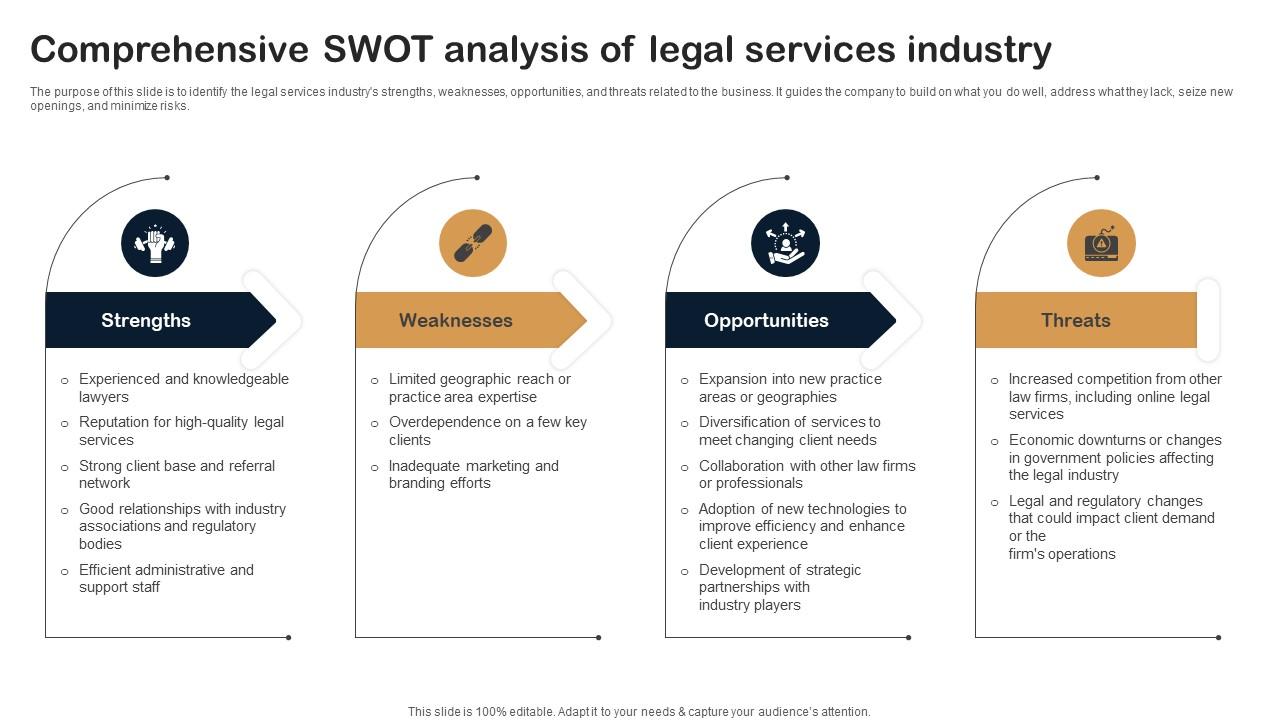
Some lawyers worried that online services would take away business. But many are now using these tools themselves. By automating routine work, lawyers can focus on complex cases that need their full attention.
New types of law firms have also emerged. Virtual law firms operate almost entirely online, reducing office costs and reaching clients in new locations. Some traditional firms now offer unbundled services—for example, reviewing a contract for a flat fee—thanks to digital platforms.
A 2022 Clio Legal Trends Report showed that 37% of lawyers used video conferencing for client meetings, up from just 6% before the pandemic. This trend is likely to continue as clients get used to digital interactions.
Credit: www.slideteam.net
Comparing Traditional Law Firms And Online Legal Services
It helps to see the differences between the old and new ways of getting legal help:
| Feature | Traditional Law Firm | Online Legal Service |
|---|---|---|
| Pricing | Hourly rates, can be expensive | Flat fees, often affordable |
| Access | In-person, office hours | Online, 24/7 access |
| Personalization | Highly customized advice | Standardized, with some customization |
| Turnaround Time | Days to weeks | Minutes to days |
| Best For | Complex or high-stakes cases | Routine legal needs |
Key Technologies Powering The Change
Behind the scenes, several new technologies are driving the online legal revolution:
- Artificial Intelligence (AI): AI tools can review contracts, highlight risks, and even predict outcomes. This saves lawyers time and improves accuracy.
- Cloud Computing: Legal documents and case files are stored securely online, so clients and lawyers can access them from anywhere.
- E-signatures: Electronic signing tools make it easy to complete legal agreements remotely.
- Chatbots: Automated assistants answer basic legal questions or guide users through forms.
For example, DoNotPay uses AI to help users fight parking tickets and handle small claims, saving millions of dollars in fines each year.
Impact On Access To Justice
One of the most important changes is that more people can now get the help they need. In the past, cost and location kept many from getting legal support. Online services break down these barriers:
- Rural communities: People living far from big cities can connect with lawyers online.
- Low-income individuals: Lower prices and even some free tools open doors for those who couldn’t afford a lawyer before.
- Language options: Many platforms offer support in multiple languages, making legal help more inclusive.
A 2021 study by the Legal Services Corporation found that 86% of low-income Americans received little or no help for their civil legal problems. Online services are starting to close this gap, though challenges remain.
The Role Of Regulation And Ethics
The legal industry is highly regulated. Every state has rules about who can give legal advice and how. Online platforms must follow these rules to protect clients. This means:
- Verifying that lawyers are licensed and in good standing
- Explaining clearly what is and is not covered by the service
- Protecting client data and privacy
Some states are testing new models. For example, Utah’s regulatory sandbox allows non-lawyers to own legal service companies, as long as they follow strict rules. Early results show that this can expand access without reducing quality.
Common Challenges And Risks
Despite many benefits, online legal services have some limitations:
- Complex Cases: Not every issue can be solved with a template or quick chat. Court appearances, criminal defense, and high-stakes lawsuits still need traditional lawyers.
- Quality Control: Some platforms focus on speed and price, which can lead to mistakes or incomplete documents.
- Data Security: Storing sensitive information online comes with risks. Users should check for strong security practices before sharing details.
- Jurisdiction Differences: Laws vary by state and country. Not all platforms can handle every legal situation correctly.
A non-obvious tip: Always check if the service includes a review by a real attorney, especially for important matters. Some platforms charge extra for this, but it can prevent costly errors.
How To Choose An Online Legal Service
With many options, it’s important to pick the right one. Here’s a side-by-side look at factors to compare:
| Factor | What to Look For | Common Pitfall |
|---|---|---|
| Service Coverage | Matches your legal need and location | Choosing a general platform for a specialized issue |
| Attorney Access | Easy to reach a licensed lawyer if needed | No real legal review included |
| Pricing Structure | Clear fees and no hidden costs | Low advertised price, but upsells for basics |
| Security | Strong encryption, privacy policy | Storing sensitive data on unsecured sites |
| Reputation | Positive independent reviews, recognized brand | Unknown sites with few reviews |
One insight: If your issue involves multiple states or countries, look for a platform with a wide network of lawyers, not just local templates.
Real-world Examples
Small business owners often use online legal services to form LLCs, file trademarks, or get contracts reviewed. For instance, a new restaurant can handle all its early paperwork online, saving thousands in legal fees.
Families use digital platforms to create wills or powers of attorney. During the COVID-19 pandemic, demand for online estate planning jumped by over 200% as people sought to protect loved ones without leaving home.
Startups and tech companies rely on online legal tools for fundraising, employment agreements, and IP protection. This lets them move fast and keep costs down in the early stages.
The Future Of Online Legal Services
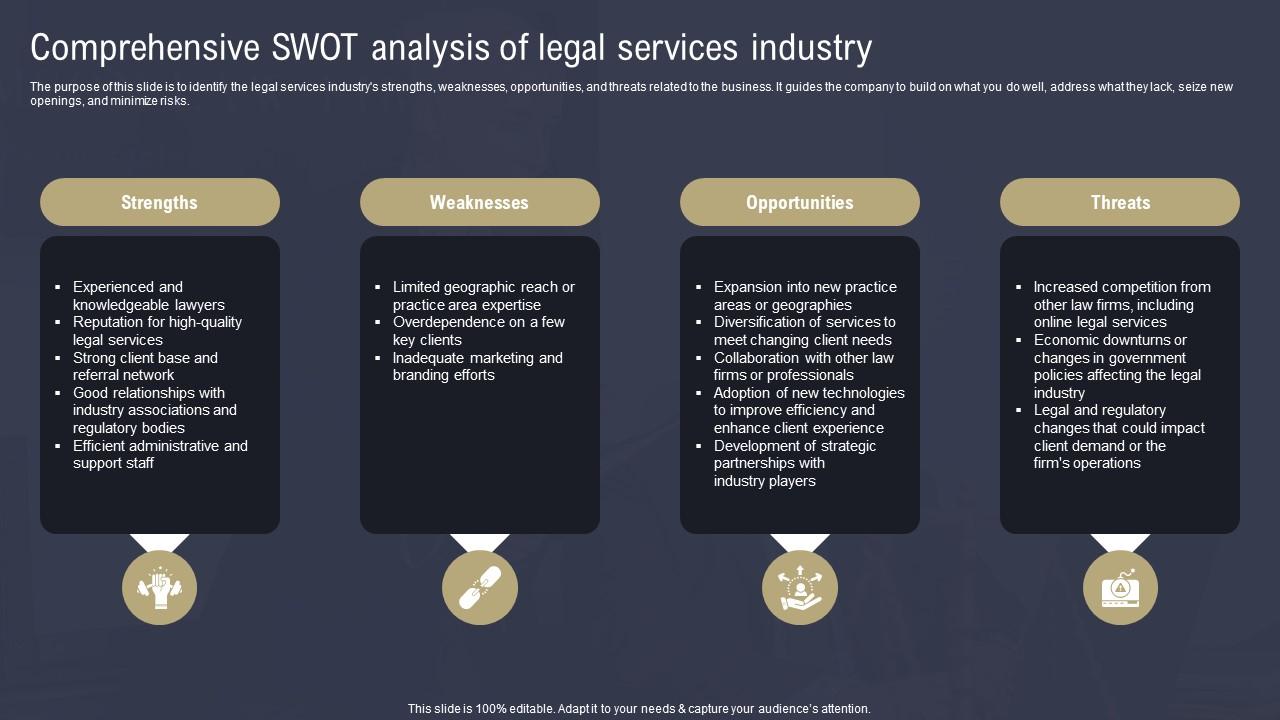
Change is likely to continue. Experts predict that by 2030, the majority of routine legal work will be handled online, with lawyers focusing on strategy and advocacy.
Some trends to watch:
- More AI Integration: Tools will get better at understanding complex needs and providing tailored guidance.
- Wider Access: As more people use these services, platforms will offer support in more languages and for more types of law.
- Hybrid Models: Many law firms will blend online and in-person services to meet different client needs.
A second insight for beginners: Even if you start with a DIY platform, always be ready to consult a lawyer for anything you don’t fully understand. The best approach often combines self-help with expert advice.
Credit: www.slideteam.net
Frequently Asked Questions
What Types Of Legal Issues Can Online Services Handle?
Online platforms are best for routine legal needs like wills, business formation, simple contracts, and uncontested divorces. For criminal cases or complex lawsuits, you still need a traditional lawyer.
Are Online Legal Services Secure?
Most reputable services use encryption and privacy controls to protect your data. Always check the platform’s security policy and look for reviews from trusted sources.
How Do Online Legal Service Prices Compare To Traditional Lawyers?
Online services usually offer flat fees and are 60–80% less expensive for basic matters. However, some issues may need extra legal review, which can add to the cost.
Can I Talk To A Real Lawyer On These Platforms?
Yes, many sites provide virtual consultations with licensed attorneys. Some include this in the price, while others charge extra. Always check what’s included before you start.
Where Can I Learn More About The Impact Of Technology On Law?
For deeper insights, visit the Wikipedia page on Legal Technology for history, trends, and resources.
As technology evolves, the legal field will keep changing. Online legal services are making law more open and efficient. They’re not a full replacement for traditional attorneys, but they give millions of people new ways to solve problems. If you’re careful in choosing a platform and know when to seek expert help, you can enjoy the benefits of this legal revolution.
Read More:
- How Legal Services Simplify Business Compliance for Success
- When Should You Hire a Legal Service Provider? Expert Insights
- The Benefits of Hiring Experienced Legal Professionals: Expert Guidance
- Understanding Your Rights With Professional Legal Support: A Guide
- The Role of Legal Services in Real Estate Transactions: Essential Guide
- Criminal Defense Legal Services Explained: Your Essential Guide
- Legal Services for Divorce: Essential Steps and Expert Tips
- Legal Services Every Startup Should Consider for Success